Introduction
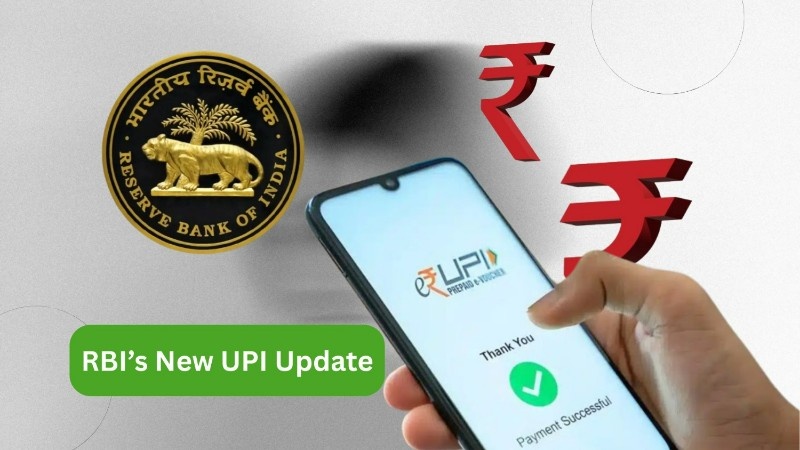
UPI has become a daily part of life in India. From paying tea sellers to shopping online, people use UPI everywhere. Because millions of transactions happen every day, safety and system control are very important. The Reserve Bank of India has announced new UPI updates planned for 2026. These changes are made to make digital payments more secure, reduce mistakes, and protect users from fraud. The goal is not to make payments difficult, but to make them safer for everyone.
Why RBI Is Bringing New UPI Rules
As UPI usage grows, cases of wrong transfers, fake QR codes, and payment scams have also increased. Many users send money in hurry and sometimes transfer to the wrong person. Fraudsters also try to trick people with fake payment requests. RBI is introducing new rules to stop these problems. With better checks and system controls, users will feel more confident while making digital payments.
Stronger Security for Payments
One major focus of the 2026 update is payment security. In the future, UPI apps may ask for extra confirmation when sending large amounts. This extra step will help users verify the receiver’s name properly before money is sent. It will reduce chances of sending money to the wrong account or falling for fake QR scams. Though it may take one extra second, it will save people from big losses.
Inactive UPI IDs Will Be Managed
Many people create UPI IDs but stop using them for long periods. Such unused IDs can become a risk if phone numbers change or accounts get compromised. Under the new rules, banks may automatically disable UPI IDs that stay inactive for a long time. Users can easily create a fresh UPI ID again when needed. This keeps the payment system clean and reduces security risks.
Better Control Over Payment Limits
The new update will also improve how payment limits work. Different users have different transaction needs. Some send small amounts daily, while others send large business payments. The new system will allow banks to set smart limits based on user activity. This helps in controlling suspicious large transfers and adds another layer of protection.
Improved Name Display Before Sending Money
A common problem today is sending money to the wrong person because similar names appear on UPI. The upcoming update will show clearer beneficiary details before confirming payment. Users will see better name matching with bank records. This small improvement can prevent many wrong transfers, especially for elderly users and first-time digital payment users.
How It Helps Common People
For everyday users, the new rules mean safer and more trustworthy payments. You will have fewer chances of making mistakes while sending money. Fraud attempts will become harder for scammers. Even if you are not very tech-savvy, the improved system will guide you clearly before completing transactions.
What Users Need To Do
Users do not need to install new apps or learn complex steps. Existing UPI apps will update automatically through app stores. It is only important to keep your mobile number active with your bank account and update your app regularly. Following basic safety habits like not sharing OTP or UPI PIN will remain important.
Future of Digital Payments in India
India is moving fast toward a cashless economy. UPI is already a global example of successful digital payment technology. With the 2026 update, India will take another step forward in secure digital banking. In the coming years, UPI may also support more international payments, making it useful for travelers and online shoppers worldwide.
The Final Words
The UPI New Update 2026 is a positive change for Indian digital payment users. It focuses on safety, fraud control, and better user experience. Though some steps may feel slightly longer, they will protect your money and identity. As digital payments grow, these smart updates will ensure that UPI remains fast, simple, and secure for everyone.