Introduction – A New Balance Between Cash and Digital Payments
India is moving fast toward digital payments. UPI has become a daily habit for many people. From buying tea to paying school fees, most payments are now done using mobile apps. But even today, cash is still important, especially for small shops, rural areas, and elderly people.
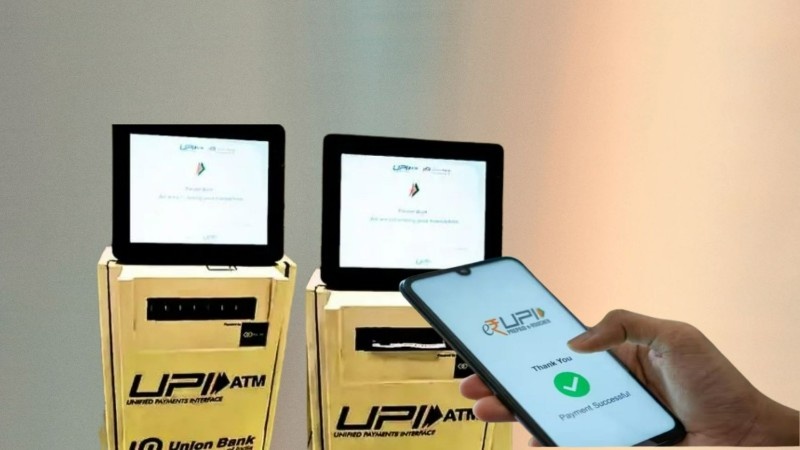
To keep both systems working smoothly, the government is planning a new solution called hybrid ATMs. These machines will give small currency notes while also supporting digital banking features.
What Are Hybrid ATMs?
Hybrid ATMs are upgraded cash machines. They work like normal ATMs but with extra smart features. These machines will be able to give small value notes like ₹10, ₹20, and ₹50. At the same time, they will support card transactions and digital banking services. In simple words, hybrid ATMs mix traditional cash services with modern digital technology in one machine.
Why Small Notes Are Still Important
Even with UPI everywhere, many daily transactions need small cash. Bus tickets, local markets, street food, temple donations, and rural shops mostly use cash. People often face problems when ATMs give only ₹500 or ₹2000 notes. Shopkeepers and customers struggle to arrange change. Hybrid ATMs solving the small-note problem will make everyday life easier.
UPI Growth and the Need for Cash Support
UPI payments are growing every month. Most young users prefer mobile payments because they are fast and simple. But not everyone has smartphones or internet access all the time.
Network issues also cause failed transactions. Because of this, cash cannot disappear completely. The government wants to ensure that digital growth does not create problems for people who still depend on cash.
How Hybrid ATMs Will Help Common People
With hybrid ATMs, people can withdraw exact small amounts instead of large notes. This helps daily wage workers, small business owners, and rural users. It also reduces stress for shopkeepers who always need change. Easy access to small cash means smoother local trade and better convenience for common citizens.
Support for Rural and Semi-Urban Areas
In villages and small towns, digital payment systems are still developing. Many people do not own smartphones or feel comfortable using apps. Hybrid ATMs placed in such areas will provide easy banking access. People can withdraw small money when needed without traveling far or depending on others.
Better Banking Experience for Everyone
These new machines are expected to be user-friendly. They will support ATM cards, digital verification, and possibly QR-based withdrawals in the future. This means one machine can serve both traditional banking users and modern digital users. It saves time, reduces bank crowding, and improves financial inclusion.
Government’s Digital India Vision
Hybrid ATMs are part of India’s bigger plan to modernize the banking system. The government wants to promote digital payments while still keeping cash circulation smooth. This balanced approach helps India move toward a strong digital economy without leaving behind people who need cash services.
Future Impact on Daily Transactions
Once hybrid ATMs are widely installed, cash availability will become easier. Small businesses will face fewer problems with change. Customers will withdraw only what they need. Digital and cash systems will work side by side.
This creates a more stable and flexible payment environment across the country.
The End Note
The plan for hybrid ATMs shows that India is not choosing only digital or only cash. Instead, it is building a smart bridge between both. By giving easy access to small notes while supporting modern payment habits, hybrid ATMs will make banking simpler for everyone. This move is a practical step toward a more inclusive and balanced financial system in India.